
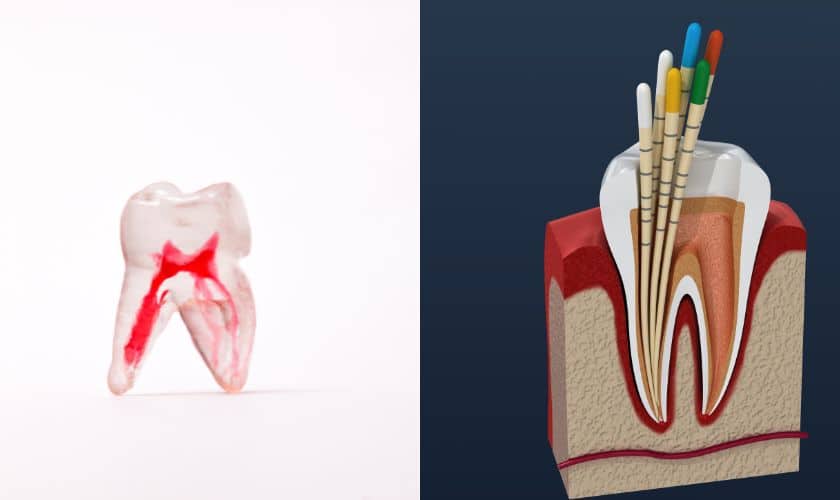
Root canal therapy, often referred to as a “root canal,” is a procedure that saves teeth by removing infected pulp, the inner layer of the tooth. But what happens if a tooth that’s undergone root canal treatment starts causing problems again? This is where endodontic retreatment comes in.
Understanding Endodontic Retreatment: A Second Chance for Your Tooth
Endodontic retreatment is a specialized procedure performed by an endodontist, a dentist with advanced training in treating the root canals of teeth. This procedure becomes necessary when a tooth that has already undergone root canal therapy develops new problems.
Signs You Might Need Endodontic Retreatment:
Several signs can indicate the need for endodontic retreatment:
- Pain and Sensitivity: A persistent toothache or sensitivity to hot or cold can be a sign of a new infection within the tooth.
- Swelling and Inflammation: Inflammation or swelling around the treated tooth can indicate a persistent or new infection.
- Facial Pain: Pain that radiates to the jaw, ear, or other facial areas can be a symptom of an underlying issue with the root canal.
- Fractured Crown or Filling: A crack or fracture in the crown or filling material can expose the inner canal to bacteria, leading to reinfection.
- Drainage from the Tooth: Pus discharge from the gum tissue around the tooth can be a sign of a serious infection.
- Lingering Discomfort After Root Canal: If you experience persistent discomfort after your initial root canal treatment, it’s important to consult your dentist to rule out the need for retreatment.
Why Does a Root Canal Need Retreatment?
There are several reasons why a tooth might require endodontic retreatment:
- Incomplete Initial Treatment: Sometimes, during the initial root canal procedure, not all infected canals are identified or cleaned thoroughly.
- Reinfection: Bacteria can re-enter the tooth through a fractured crown, leaking filling, or faulty crown.
- New Infection: An injury to the tooth or surrounding bone can introduce new bacteria, leading to infection.
- Fractured Root: A crack in the root of the tooth can expose the inner canal and allow bacteria to enter.
Early Diagnosis and Intervention are Key
If you experience any of the signs mentioned above, it’s crucial to schedule an appointment with your dentist as soon as possible. Early diagnosis and intervention can increase the success rate of endodontic retreatment and help you save your tooth.
What to Expect During Endodontic Retreatment
The specific procedure for endodontic retreatment may vary depending on the complexity of the case. However, here’s a general overview:
- X-rays and Examination: The endodontist will take X-rays and perform a thorough examination to assess the extent of the problem.
- Anesthesia: Local anesthesia will be used to numb the area around the tooth.
- Access and Cleaning: The endodontist will access the existing root canal filling and meticulously clean and disinfect the canals.
- Filling and Sealing: Once the canals are cleaned, they will be filled with a special material to prevent further infection.
- Temporary Filling: A temporary filling will be placed on the tooth.
- Crown or Permanent Filling: In most cases, a permanent crown will be placed on the tooth to restore its structure and function.
Success Rates of Endodontic Retreatment
Endodontic retreatment has a high success rate, often exceeding 80%. However, the success rate can depend on various factors, including the severity of the infection and the complexity of the case.
Alternatives to Endodontic Retreatment
In some cases, depending on the severity of the problem and the overall health of the tooth, endodontic retreatment might not be a viable option. If this is the case, your endodontist might recommend alternative options, such as:
- Tooth extraction: If the tooth is severely damaged or the infection is too extensive, extraction might be the best course of action.
- Surgical intervention: In some cases, a surgical procedure might be necessary to address the underlying cause of the problem.
The Takeaway: Saving Your Smile with Endodontic Retreatment
Endodontic retreatment offers a valuable second chance for a tooth that has undergone root canal therapy. By understanding the signs, causes, and treatment process, you can make informed decisions about your oral health. If you suspect you might need endodontic retreatment, don’t hesitate to schedule an appointment with your dentist. Early diagnosis and intervention can save your teeth and keep your smile healthy for years to come.