
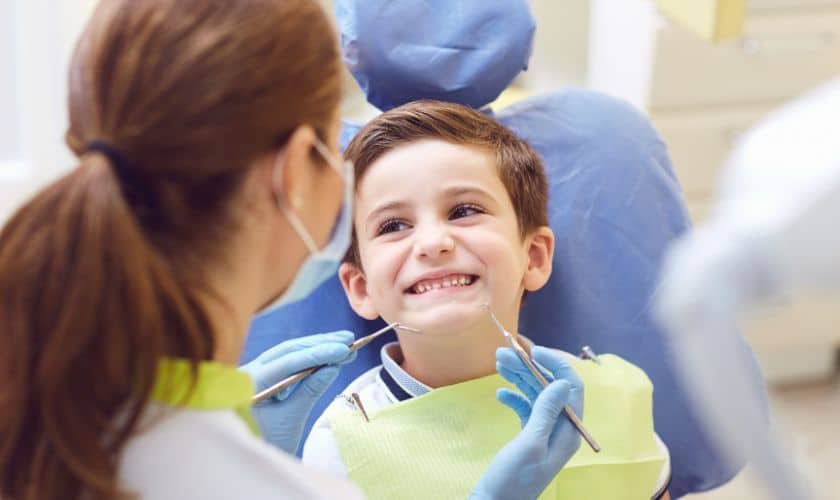
Children’s dental health is crucially maintained by pediatric dentistry. However, young patients may experience anxiety and overwhelming dental visits, which makes it difficult for dentists to carry out necessary procedures. Pediatric Sedation dentistry uses sedative treatments to reduce anxiety and discomfort. The goal of this article is to give readers a thorough grasp of the various sedation methods that are employed to give kids a comfortable and safe dental experience.
Nitrous Oxide Sedation:
In pediatric dentistry, nitrous oxide, usually referred to as “laughing gas,” is a typical anaesthetic method. The youngster inhales a mask to receive the treatment. While allowing the youngster to stay awake and responsive, nitrous oxide causes a relaxed and blissful mood. It begins swiftly and ends rapidly, allowing for a speedy recovery.
Oral Sedation:
Oral sedation involves the administration of sedative medications in the form of a pill or liquid. These medications, such as midazolam or diazepam, are given to the child before the dental procedure. Oral sedation induces a state of relaxation, reduces anxiety, and may even cause drowsiness. The dosage is carefully tailored based on the child’s age, weight, and medical history.
Intravenous Sedation:
Intravenous (IV) sedation is a deeper level of sedation often reserved for more invasive or lengthy dental procedures. A sedative medication is administered directly into the child’s vein, allowing for precise control of the sedative effect. An anesthesiologist or a qualified pediatric dentist with specialized training typically performs IV sedation. This technique ensures that the child remains comfortable and unaware throughout the procedure.
General Anesthesia:
For the duration of the dental procedure, general anaesthesia renders the patient completely unconscious, obliterating both pain and consciousness. Children with complex medical demands, severe dental needs, or those who are unable to participate due to age or developmental challenges frequently employ this procedure. Anesthesiologists provide general anaesthesia at a hospital or surgical facility, guaranteeing the highest standard of safety and monitoring.
Minimal Sedation:
Minimal sedation, also known as conscious sedation, is a technique that induces a state of relaxation and reduced anxiety while allowing the child to remain conscious and responsive. Medications such as benzodiazepines are commonly used for minimal sedation. The child remains awake but experiences a decreased level of awareness, promoting a calm and cooperative dental experience.
Conclusion:
Pediatric dentistry has come a long way in terms of ensuring that kids have a happy and comfortable dental experience. Pediatric dentists can better customise treatment programmes to fit the particular needs of each kid by being aware of the various sedative methods that are available. A variety of methods, including nitrous oxide, oral sedation, intravenous sedation, and general anaesthesia, enable dentists to deliver the best care while maintaining children’s comfort and cooperation throughout dental procedures. In order to choose the best sedation method for a child, parents and dental experts must consider the child’s age, medical history, and the intricacy of the dental procedure. Pediatric dentistry may create the foundation for excellent oral health for a lifetime with the appropriate sedation strategy.