
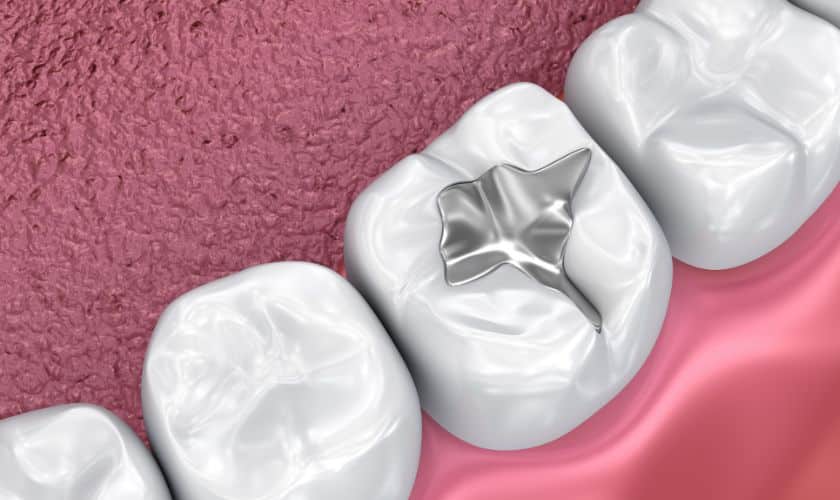
Cavities don’t discriminate based on age. While dental sealants are often associated with children’s dentistry, many adults can benefit from this preventive measure too. Let’s explore the world of dental sealants and answer the question: Do adults need dental sealants?
Understanding Dental Sealants: A Protective Shield
Dental sealants are thin, protective coatings applied to the chewing surfaces of back teeth, molars, and premolars. These teeth have deep grooves and pits that can trap food particles and plaque, creating a breeding ground for bacteria and increasing the risk of cavities.
Sealants act as a barrier, filling in these grooves and pits and preventing food and bacteria from accumulating. This significantly reduces the risk of tooth decay, promoting good oral health.
Why Adults Might Need Sealants: Cavities Don’t Take Age Breaks
Here’s why adults shouldn’t underestimate the power of dental sealants:
Lingering Baby Teeth: Some adults might still have baby teeth, particularly wisdom teeth. These teeth are more susceptible to cavities, and sealants can offer valuable protection.
Receding Gums: As we age, gums can recede, exposing the roots of teeth. These exposed roots lack the protective enamel layer, making them more prone to decay. Sealants can be applied to the exposed root surfaces for added protection.
Dry Mouth: Certain medications or health conditions can cause dry mouth, reducing the natural cleansing effect of saliva. Sealants can provide an extra layer of defense against cavities in such cases.
Snacking Habits: Adults often indulge in sugary snacks or drinks throughout the day, increasing the risk of cavities. Sealants can offer a protective shield against decay caused by frequent snacking.
Consulting Your Dentist: The Key to Knowing if Sealants Are Right for You
The decision to get dental sealants as an adult depends on your oral health situation. Here’s how a dentist can help you determine if sealants are right for you:
Dental Exam: A thorough dental exam will assess your teeth for existing cavities, the condition of your gums, and the presence of any receding gum lines.
Risk Assessment: Based on the exam findings, your dentist can evaluate your risk factors for cavities, considering factors like oral hygiene habits, medications, and dietary habits.
Personalized Treatment Plan: If you’re a good candidate for sealants, your dentist will discuss the procedure and incorporate it into your personalized oral health care plan.
Sealing the Deal on a Healthy Smile
Dental sealants are a safe, effective, and relatively inexpensive way to prevent cavities and protect your oral health. While traditionally associated with children, adults can significantly benefit from this preventive measure in many cases. Consulting your dentist is the best way to determine if dental sealants are right for you and create a personalized plan for a healthy, cavity-free smile.