
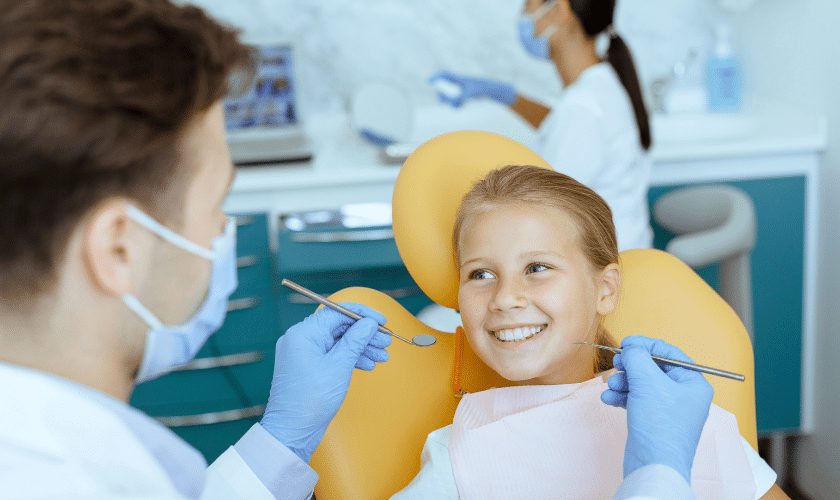
Are you tired of your child’s anxiety-filled trips to the dentist? Well, we’ve got some exciting news for you! In our latest blog post, we delve into the fascinating world of pediatric sedation dentistry and explore the cutting-edge advancements that are revolutionizing dental care for little ones. Join us as we uncover the secrets behind these innovative techniques that will make your child’s dental experience a breeze. Get ready to say goodbye to tears and hello to smiles in the dentist’s chair!
Pediatric Sedation Dentistry
As the name suggests, pediatric sedation dentistry is a branch of dental care that specializes in providing sedation services to children. It is a relatively new field that has only emerged in the past few decades. However, it has quickly become an essential part of dental care for children, as it can help to make dental procedures more tolerable for them.
There are many different types of sedation that can be used in pediatric sedation dentistry. The most common type of sedation is general anaesthesia, which is used to put the child into a deep sleep during the procedure. Other types of sedation include conscious sedation, which helps to keep the child relaxed and calm; and nitrous oxide sedation, which is also known as “laughing gas.”
No matter what type of sedation is used, the goal of pediatric sedation dentistry is always the same: to provide safe and effective dental care for children while minimizing any discomfort or anxiety they may experience.
What are the Different Types of Pediatric Sedation?
There are many different types of pediatric sedation, and the type that is best for your child will depend on their individual needs.
Some of the most common types of pediatric sedation include:
• Oral Sedation:
Oral sedation is a type of medication that is taken by mouth in pill or liquid form. It is typically used for children who are anxious or have a low pain tolerance.
• Nitrous Oxide Sedation:
Nitrous oxide, also known as laughing gas, is a type of gas that is inhaled through a mask. It is a safe and effective way to help children relax during dental procedures.
• IV Sedation:
IV sedation is a type of medication that is injected into the vein. It is typically used for children who are very anxious or have a high pain tolerance.
Your child’s dentist will work with you to determine which type of sedation is best for your child based on their individual needs.
Benefits of Pediatric Sedation Dentistry
The American Academy of Pediatrics (AAP) defines pediatric sedation dentistry as the “practice of dentistry performed while the patient is in a state of controlled relaxation or anaesthesia.” This type of dentistry has become increasingly popular in recent years, as it can provide a number of benefits for both children and their parents.
Some of the most common benefits of pediatric sedation dentistry include:
1. Reduced fear and anxiety:
One of the most common reasons why parents choose to seek out sedation dentistry for their children is because it can help to reduce fear and anxiety. This is especially beneficial for children who have had traumatic experiences in the past or who suffer from dental phobia.
2. Increased comfort:
Another benefit of pediatric sedation dentistry is that it can help to increase comfort during dental procedures. This is particularly important for procedures that are lengthy or involve complex work.
3. Enhanced safety:
When children are anxious or uncooperative during dental procedures, there is an increased risk of injury. Sedation dentistry can help to reduce this risk by keeping children calm and relaxed throughout the procedure.
4. Improved Cooperation:
Some children may be uncooperative during dental procedures due to fear or anxiety. Sedation can help to improve cooperation by making children more comfortable and relaxed during the procedure.
The Latest Advancements in Pediatric Sedation Dentistry
The latest advancements in pediatric sedation dentistry are always evolving. New technologies and methods are constantly being developed to make sedation dentistry safer and more effective for children. At our practice, we stay up-to-date on the latest advancements in pediatric sedation dentistry so that we can provide our patients with the best possible care.
Some of the latest advancements in pediatric sedation dentistry include:
Newer, more effective sedative medications:
There have been many advances in the development of new sedative medications specifically for children. These newer medications are more effective at achieving the desired level of sedation while also having fewer side effects.
Improved delivery methods:
The way that sedatives are delivered has also been improved. Newer delivery methods, such as oral conscious Sedation (OCS), allow the child to remain awake and cooperative during their dental procedure while still achieving a high level of relaxation. This is a much safer option than traditional IV sedation, which carries a higher risk of complications.
Enhanced safety protocols:
The safety of both the child and the dental team is always our top priority. We have enhanced our safety protocols to ensure that every child receives the best possible care while they are under our care.
Improved monitoring of sedation levels:
The most effective way to ensure patient safety during sedation dentistry is to continuously monitor the patient’s level of sedation. Newer technologies have made this easier and more accurate than ever before.
At our practice, we are committed to staying up-to-date on the latest advancements in pediatric sedation dentistry so that we can provide the safest and most effective care for our patients. If you have any questions about these latest advancements or would like to learn more about how we can help your child feel comfortable and relaxed during their dental procedure, please contact us today.
How to Prepare for a Pediatric Sedation Appointment
When your child needs to receive sedation for a dental procedure, it’s important that you choose a qualified dentist who has experience in this area. You will also want to make sure that you are prepared for the appointment.
Here are some tips on how to prepare for a pediatric sedation appointment:
1. Choose an experienced dentist:
As with any medical procedure, you will want to choose a qualified professional who has experience in pediatric sedation dentistry. Ask your regular dentist for recommendations or search online for a list of qualified providers in your area.
2. Understand the risks and benefits:
Be sure to ask the dentist about the risks and benefits of sedation dentistry before making a decision. This is especially important if your child has any underlying medical conditions that could be affected by sedation.
3. Make sure your child is fasting:
In most cases, your child will need to fast (no food or drink) for several hours before the procedure. This is necessary to avoid complications from the sedatives used during the procedure. Be sure to follow the dentist’s instructions on when and what your child can eat before the appointment.
4. Arrange for someone to drive you home:
You will not be able to drive yourself or your child home after the procedure, so be sure to arrange for someone else to do so ahead of time. It’s also a good idea to have someone stay with you and your child at home for
Conclusion
Pediatric sedation dentistry has come a long way in recent years and the latest advancements have improved both safety and comfort for children. From nitrous oxide to intravenous sedation, there are numerous options available that can help make even the most anxious child feel comfortable. It is important to discuss all of your treatment options with your dentist so you can make an informed decision about what is best for your child’s dental health. With modern advancements in pediatric sedation dentistry, it is now easier than ever to ensure that your children get the care they need without fear or discomfort.