
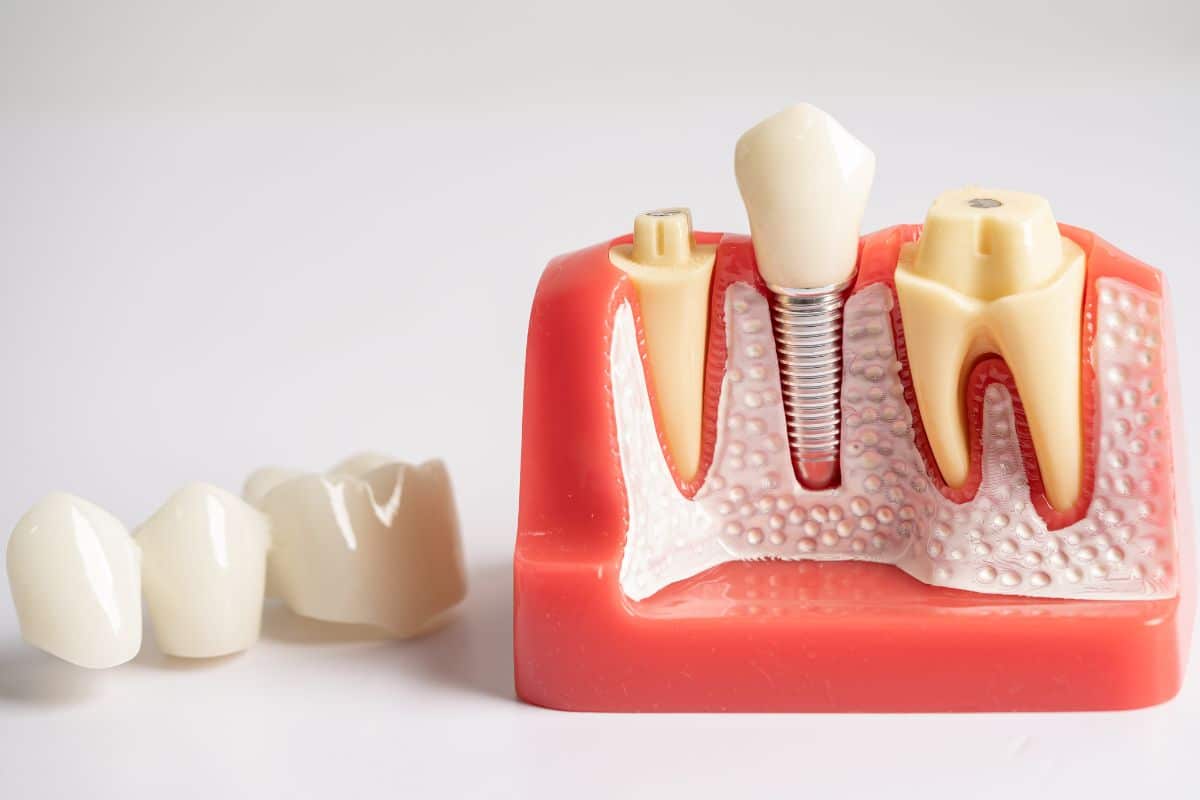
Dental implants have revolutionized the field of dentistry, offering a permanent solution to missing teeth. Beyond their functional benefits, dental implants have a profound impact on the overall quality of life for individuals who receive them. This blog will explore the various ways in which dental implants enhance both physical and emotional well-being.
1. Improved Oral Function
One of the most significant advantages of dental implants is the restoration of oral function. Missing teeth can make it difficult to chew and speak properly. Dental implants act like natural teeth, allowing individuals to enjoy their favorite foods without discomfort or worry. This improvement in chewing ability also aids digestion, contributing to better overall health.
2. Enhanced Aesthetics and Self-Confidence
Dental implants are designed to look and feel like natural teeth. They blend seamlessly with the remaining teeth, providing a natural appearance that can boost self-esteem. Many people with missing teeth feel self-conscious about their smile, leading to social anxiety and a reluctance to engage in social activities. With dental implants, individuals often experience a renewed sense of confidence, smiling and interacting more freely.
3. Speech Improvement
Missing teeth can affect speech, causing slurring or mumbling. Dentures, while helpful, can sometimes slip, making speech less clear. Dental implants provide a stable and secure fit, allowing for clear and precise speech. This improvement in communication can enhance personal and professional interactions, leading to a more fulfilling life.
4. Bone Health Preservation
When a tooth is lost, the jawbone in the empty space can deteriorate due to lack of stimulation. Dental implants stimulate the bone just like natural teeth, preventing bone loss and maintaining facial structure. This preservation of bone health helps avoid the sunken appearance often associated with missing teeth, contributing to a more youthful look.
5. Convenience and Durability
Dental implants are a long-term solution for tooth loss. Unlike dentures, which require regular removal and maintenance, dental implants are cared for just like natural teeth. This convenience saves time and effort, allowing individuals to focus on other aspects of their lives. Additionally, dental implants are highly durable and can last a lifetime with proper care, reducing the need for frequent dental visits and replacements.
6. Overall Health Benefits
Good oral health is closely linked to overall health. Dental implants reduce the risk of oral infections and related health issues, such as heart disease and diabetes. By restoring full oral function and preventing complications associated with missing teeth, dental implants contribute to a healthier lifestyle.
7. Psychological Well-Being
The psychological impact of missing teeth can be profound, leading to feelings of embarrassment, depression, and isolation. Dental implants can dramatically improve mental health by restoring a sense of normalcy and well-being. The ability to smile confidently and enjoy social interactions without fear of judgment or embarrassment can lead to a more positive outlook on life.
Conclusion
The impact of dental implants on quality of life is multifaceted, touching on physical, emotional, and psychological aspects. From improved oral function and aesthetics to enhanced self-confidence and overall health, dental implants offer a transformative solution for those with missing teeth. If you are considering dental implants, consult with a qualified dental professional to explore how this innovative treatment can benefit your life.