
Dental fillings are a common procedure used to treat cavities and restore the function and integrity of damaged teeth. Despite their prevalence, many people worry about the potential pain associated with getting a filling. Understanding what to expect during the procedure can help alleviate these concerns.
Understanding the Procedure
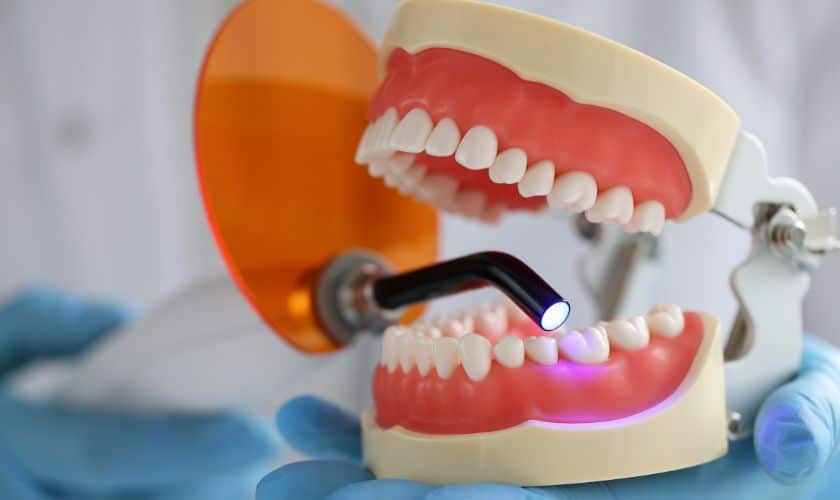
The process of getting a dental filling typically involves several steps. First, your dentist will numb the area around the affected tooth using a local anesthetic. This is to ensure you don’t feel pain during the procedure. Once the area is numb, the dentist will remove the decayed portion of the tooth using a drill or laser. This part of the process can cause some vibration and pressure, but it shouldn’t be painful.
After the decay is removed, the dentist will clean the cavity to remove any remaining debris and bacteria. Then, they will fill the cleaned-out cavity with filling material, such as amalgam, composite resin, gold, or porcelain. Finally, the filling is shaped and polished to ensure it fits comfortably and matches the bite pattern of your teeth.
The Pain Factor
Thanks to modern dental techniques and effective anesthetics, getting a filling is generally a pain-free experience. Most patients report feeling pressure and vibrations but not pain. However, individual experiences can vary based on factors such as the location and depth of the cavity, the type of filling material used, and the patient’s pain threshold.
For those getting dental fillings in Victoria, local dental practices often employ the latest technologies and anesthetic techniques to minimize discomfort. Dentists are also trained to handle patients’ concerns and can offer additional sedation options if necessary, such as nitrous oxide (laughing gas) or oral sedatives, to help nervous patients feel more at ease.
Post-Procedure Sensitivity
After the anesthesia wears off, it’s common to experience some sensitivity in the filled tooth. This sensitivity can manifest as a reaction to hot or cold temperatures, sweet foods, or even when biting down. Typically, this sensitivity is temporary and should subside within a few days to a couple of weeks. If sensitivity persists beyond this period, it’s important to consult your dentist, as it could indicate an issue with the filling or an underlying problem.
Managing Discomfort
To manage any discomfort following a dental filling, over-the-counter pain relievers like ibuprofen or acetaminophen can be effective. It’s also advisable to avoid very hot or cold foods and drinks for a few days after the procedure. Maintaining good oral hygiene by brushing and flossing regularly will help ensure the longevity of your filling and prevent further decay.
Conclusion
The fear of pain associated with dental fillings is largely unfounded, thanks to advances in dental care and anesthetic techniques. While the procedure involves some pressure and vibrations, it is generally not painful. Any post-procedure sensitivity is typically mild and temporary. If you’re in Victoria and need a dental filling, rest assured that local dentists are equipped to provide a comfortable and pain-free experience. Always communicate with your dentist about any concerns you have, and they will work with you to ensure your comfort and well-being during the procedure.