
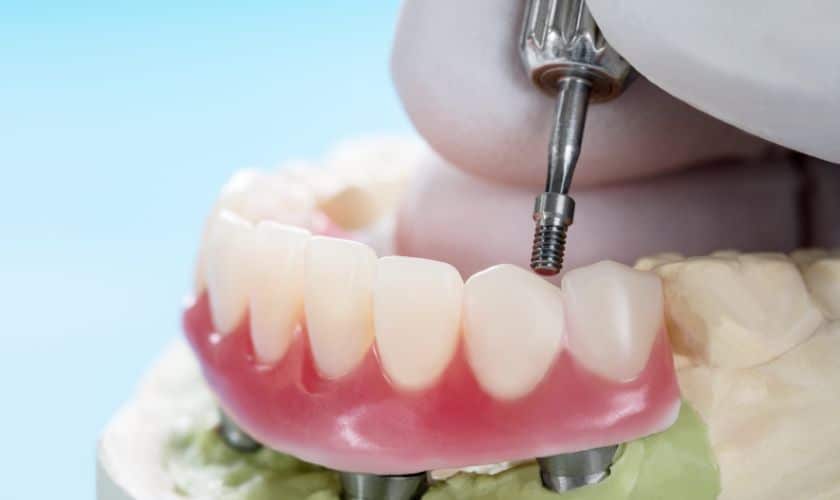
Dental implants, which provide a dependable and long-term option for people experiencing tooth loss, have completely transformed the profession of dentistry. We will walk you through every step of the complex dental implant operation in this extensive guide, from preparation to recovery and beyond.
Introduction
-
Brief overview of dental implants
Dental implants provide a strong foundation for permanent or removable replacement teeth by acting as prosthetic tooth roots. They are intended to look and operate just like your real teeth.
-
Importance of understanding the dental implant procedure
Before starting the process, it’s essential to be completely aware of dental implants, their possible drawbacks, and their amazing advantages to your general and oral health.
Preparing for the Journey
1. Initial consultation with the dentist
Making an appointment for a consultation with a dentist is the first step. Your dentist will examine your teeth, discuss your objectives, and decide if you are a good candidate for dental implants at this appointment.
2. Assessing candidacy for dental implants
Dental implants are not suitable for every person. Several factors, including general health, bone density, and dental cleanliness, are important in deciding eligibility.
3. Understanding the treatment plan
If it is determined that you are qualified, your dentist will create a personalized treatment plan that outlines every stage of the dental implant procedure, including any requirements.
Step-by-Step Guide to the Dental Implant Procedure
Stage 1: Tooth extraction
To create room for the new implant, any existing teeth that are decaying or broken are pulled before implant installation.
Stage 2: Bone grafting (if necessary)
A bone transplant could be necessary in situations where there is not enough bone density to provide a solid implant base.
Stage 3: Implant placement
Usually composed of titanium, the dental implant is surgically inserted into the mandible. This functions as the replacement tooth’s artificial root.
Stage 4: Osseointegration process
Osseointegration, a spontaneous process, allows the implant to bond with the jawbone over several weeks.
Stage 5: Abutment placement
After integration, the implant and the replacement tooth are joined by an abutment.
Stage 6: Crown placement
A custom-made crown is attached to the abutment in the last step to finish the restoration process.
What to Expect During Recovery
1. Managing post-operative discomfort
After the operation, some discomfort is normal, but your dentist will offer advice on managing the pain.
2. Dietary considerations during recovery
Soft meals and adequate fluids are crucial to prevent any tension on the implant site during the early healing phase.
3. Follow-up appointments and care instructions
A good recovery depends on following post-operative care recommendations and scheduling routine dental checkups.
Potential Complications and How to Address Them
Infection risks
Infection is an uncommon but possible concern. This risk can be reduced by practicing dental hygiene and adhering to post-operative care instructions.
Implant failure: causes and solutions
Long-term success depends on quickly identifying and resolving the causes that lead to implant failure.
Managing discomfort and swelling
Your dentist will offer suggestions for reducing pain and swelling to facilitate a quicker healing.
Benefits of Dental Implants
1. Improved aesthetics and self-confidence
Because dental implants feel and appear like actual teeth, they restore your smile and boost your confidence.
2. Restored functionality for eating and speaking
With implants’ stability and functionality, you may eat various foods and talk with assurance.
3. Long-term durability and maintenance
Dental implants are a long-lasting and reasonably priced option, lasting a lifetime if taken care of properly.
Considering Alternatives
Even if dental implants are a common option, depending on personal needs and preferences, it’s important to consider other choices like bridges and dentures.
Every tooth replacement option has benefits and cons. Having a thorough understanding of these can aid in decision-making.
Real Patient Experiences
Testimonials and success stories
Getting important insights and allay fears is possible by reading about people’s experiences with dental implants.
Addressing common concerns and misconceptions
By busting myths and addressing frequent worries, people may make more educated decisions about dental implants.
Choosing the Right Dental Professional
1. Qualities to look for in a dental implant specialist
Choosing a knowledgeable and competent dentist is essential to a good result. Examine credentials, evaluations, and testimonies from patients.
2. Importance of researching and selecting the right clinic
Doing due diligence on several clinics, their standing, and the staff’s level of competence will help ensure a good dental implant experience.
Maintaining Oral Health After Implant Placement
-
Daily care routines for dental implants
Your dental implants need to be cleaned, flossed, and seen by a dentist regularly.
-
Regular dental checkups and cleanings
Regular dental checkups guarantee the stability and continued health of your dental implants.
Exploring Innovations in Dental Implant Technology
Recent advancements in implant materials
Dental implant materials are always being enhanced by technological advancements, which raises patient satisfaction and success rates.
Impact of technology on the future of dental implants
The future of dental implants is shaped by technological developments like 3D printing and computerized planning, which promise even more accurate and effective operations.
Addressing Common Questions About Dental Implants
1. How long does the dental implant procedure take?
Depending on the individual’s recovery process and the several stages, the dental implant operation might take several months to a year.
2. Is the procedure painful?
Although some discomfort is expected, your dentist will make every effort to make you feel as comfortable as possible.
3. Can anyone get dental implants?
Dental implants are suitable for most people. However, eligibility needs to be established following a thorough examination by a dentist.
4. How long do dental implants last?
Dental implants are a durable and dependable choice since, with proper care, they might last a lifetime.
5. What are the success rates of dental implants?
The majority of individuals who have dental implants see improved outcomes and have their oral health restored.
Conclusion
Managing the dental implant process entails careful planning, a systematic process, and aftercare. For many, the restored functioning and beauty benefits make it a life-changing event. Getting dental implants may seem intimidating to people thinking about it, but with the correct knowledge and a qualified dentist, it may result in a whiter, more